Summary

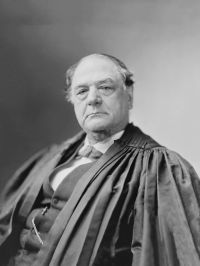
Portrait of Noah Haynes Swayne Noah Haynes Swayne National Bank v. Graham — Opinion of the Court

While it was maintained that the bank would have been liable for its loss by gross negligence, it was held that such negligence in that case had not been shown.
Here, gross negligence is conclusively established. The depositor kept an account in the bank. The cashier cut off and collected the coupons, and placed the proceeds to her credit. The bonds, therefore, entered into the legitimate and proper business of the institution. But it is unnecessary to pursue this view of the subject further, because we think there is another ground free from doubt upon which our judgment may be rested.
Source: Wikisource

Portrait of Noah Haynes Swayne Noah Haynes Swayne National Bank v. Graham — Opinion of the Court

Gross negligence on the part of a gratuitous bailee, though not a fraud, is in legal effect the same thing. Foster v. Essex Bank, 17 Mass. 479. It is a tort, and an action on the case is the appropriate remedy for such a wrong. In many cases where there is a valid contract it may be regarded only as inducement and as raising a duty, for the breach of which an action may be brought ex contractu or ex delicto, at the option of the injured party. 1 Chitty, Pl. 151.
Corporations are liable for every wrong they commit, and in such cases the doctrine of ultra vires has no application.
Source: Wikisource

Get perspective with Kwize: daily news enlightened by great literature