Summary

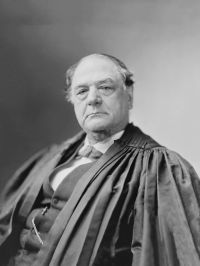
Portrait of Noah Haynes Swayne Noah Haynes Swayne Slaughter v. Glenn — Opinion of the Court

After her death, suit was brought to defeat the conveyance. The same objections were made to the deed as here. The court said: 'The joining of the husband in the wife's conveyance, her privy examination and declaration that she acts freely, all presupposes that a husband is present and may be exercising undue influence over her. But can these formalities be requisite in cases where the rights of the wife (and they are acknowledged by law) depend upon the supposition that de facto she has no husband?' The deed was sustained, and judgment was given for the defendant.
Source: Wikisource

Portrait of Noah Haynes Swayne Noah Haynes Swayne Slaughter v. Glenn — Opinion of the Court

There, real estate belonging to her, whether acquired by descent or purchase in the usual way, is termed, though not technically so, her 'separate property,' and she has in equity all the power to dispose of it which could be given to her by the amplest deed of settlement. The statute regulating conveyances to pass the legal title is not unlike those of most of the other States.
Source: Wikisource

Portrait of Noah Haynes Swayne Noah Haynes Swayne Slaughter v. Glenn — Opinion of the Court

A court of equity must find itself hard pressed in the other direction to refuse the relief sought by the bill upon the facts disclosed in the record. We do not find ourselves embarrassed by any such considerations.
The only objections taken by the appellants to the title of the appellees' testator are that Slaughter was not a party to the deed of his wife to Dunn & Co., and that the certificate of her acknowledgment does not conform to the requirements of the statute of the State touching deeds by married women of their own property.
Source: Wikisource

Get perspective with Kwize: daily news enlightened by great literature