Summary

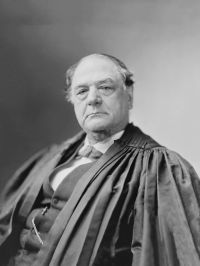
Portrait of Noah Haynes Swayne Noah Haynes Swayne Washington Railroad v. Bradleys…

It is hardly necessary to repeat the axioms in the equity law of procedure, that the allegations and proofs must agree, that the court can consider only what is put in issue by the pleadings, that averments without proofs and proofs without averments are alike unavailing, and that the decree must conform to the scope and object of the prayer, and cannot go beyond them. Certainly without the aid of a cross-bill the court was not authorized to decree against the complainants the opposite of the relief which they sought by their bills.
Source: Wikisource

Portrait of Noah Haynes Swayne Noah Haynes Swayne Washington Railroad v. Bradleys…

In that court it appears that the case came on to be heard on the answer and cross-bill of Kibberth, the original and amended bills of the complainants, the answers, exhibits, and testimony, and that the court decreed that the preliminary injunction should be dissolved; that the trustees should proceed to sell the trust property in the manner prescribed by the deed of trust, and bring the proceeds of the sale into court, and that all further questions arising in the case should be reserved for future consideration and adjudication.
Source: Wikisource

Portrait of Noah Haynes Swayne Noah Haynes Swayne Washington Railroad v. Bradleys…

There is a large class of cases in which it has been held that objections not taken in the court below will not be allowed to be taken in this court. We do not intend to impugn this doctrine or to narrow the limits of its just operation. But where there is such a combination of errors, and errors of so grave a character as those which mark the record in the case before us, this principle can have no application.
Source: Wikisource

Get perspective with Kwize: daily news enlightened by great literature