Summary

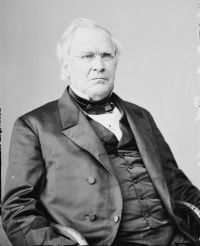
Portrait of Robert Cooper Grier Robert Cooper Grier Smith v. Corporation of Washington…

III. The case made by the plaintiff in error is one of mere damnum absque injuria. It shows no invasion of any right, but simply a damage resulting from the bona fide and careful exercise of a lawful authority for the public good. The supposed right of the plaintiff, of the invasion of which she complains, is a right ex jure naturae to build a house on the top of a hill in the midst of a city, and to require the city to conform perpetually to her convenience, at the expense of the convenience of everybody else; a right to keep a nuisance; to insist on an impracticable grade of a public street
Source: Wikisource

Portrait of Robert Cooper Grier Robert Cooper Grier Smith v. Corporation of Washington…

Streets cannot be opened and kept in repair, or made safe or convenient for public use, without being made level, or as nearly so as the nature of the ground will permit. Hills must be cut down and hollows filled up, or, in other words, the road must be graded or 'reduced to a certain degree of ascent or descent;' which is the proper definition of the verb 'to grade.' If the duty imposed on the corporation requires this to be done, the power must be coextensive with the duty.
Source: Wikisource

Get perspective with Kwize: daily news enlightened by great literature