Summary

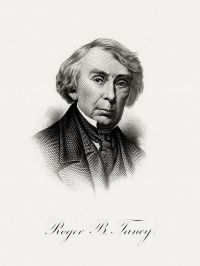
Portrait of Roger B. Taney Roger B. Taney 4885 Bags of Linseed — Opinion of the Court

It is nothing more than the right to withhold the goods, and is inseparably associated with his possession, and dependent upon it.
The lien of the carrier by water for his freight, under the ordinary bill of lading, although it is maritime, yet it stands upon the same ground with the carrier by land, and arises from his right to retain the possession until the freight is paid, and is lost by an unconditional delivery to the consignee. It is suggested in the argument for the appellant, that, as a general rule, maritime liens do not depend on possession of the thing upon which the lien exists
Source: Wikisource

Portrait of Roger B. Taney Roger B. Taney 4885 Bags of Linseed — Opinion of the Court

And it often happens that the necessities and usages of trade require that the cargo should pass into the hands of the consignee before he pays the freight. It is the interest of the ship-owner that his vessel should discharge her cargo as speedily as possible after her arrival at the port of delivery. And it would be a serious sacrifice of his interests if the ship was compelled, in order to preserve the lien, to remain day after day with her cargo on board, waiting until the consignee found it convenient to pay the freight, or until the lien could be enforced in a court of admiralty.
Source: Wikisource

Portrait of Roger B. Taney Roger B. Taney 4885 Bags of Linseed — Opinion of the Court

Augustine Wills was not a party to it, and it is not material to inquire whether he did or did not know of its existence and contents; for there is nothing in it to prevent Wills & Co., the sub-charterers, or Augustine Wills, the consignee, from entering into the separate and distinct contract stated in the bill of lading, and the assignees took the rights of Wills & Co.
Source: Wikisource

Get perspective with Kwize: daily news enlightened by great literature