Summary

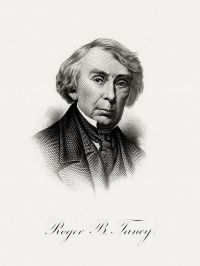
Portrait of Roger B. Taney Roger B. Taney Cutler v. Rae — Opinion of the Court

And treating the case as if the consignee stood in the place of the owner, and was liable to the same extent, we think it was not within the jurisdiction of the court of admiralty. The owner is liable, because, at the time he receives the goods, they are bound to share in the loss of other property by which they have been saved; and he is not entitled to demand them until the contribution had been paid. And as this lien upon his goods is discharged by the delivery, the law implies a promise that he will pay it.
Source: Wikisource

Portrait of Roger B. Taney Roger B. Taney Cutler v. Rae — Opinion of the Court

And in deciding that case, the court said, that, in cases of prize, bottomry, and salvage, as well as seaman's wages, the party entitled to the lien may proceed in admiralty in personam against the party holding the proceeds of property to which the lien had attached.
But in the cases mentioned by the court, the maritime law attaches an absolute and unconditional lien upon the property. The possession is not necessary to its validity. Indeed, in cases of seaman's wages and bottomry, the party entitled to the lien never has possession
Source: Wikisource

Portrait of Roger B. Taney Roger B. Taney Cutler v. Rae — Opinion of the Court

The appellant answered, admitting the ownership of the vessel as alleged in the libel; that she was wrecked in Massachusetts Bay, and that the cotton had come to his hands in a damaged state; but denies that the appellee is entitled to the general average he claims, and insists that he is not liable to contribute on account of the cotton, to indemnify the owner for the loss of his bark.
Source: Wikisource

Get perspective with Kwize: daily news enlightened by great literature