Summary

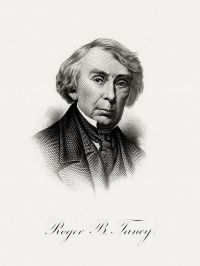
Portrait of Roger B. Taney Roger B. Taney Hudgins v. Kemp (59 U.S. 530)…

The appeal is made orally, and the entry usually made on the minutes or in the order book, is to preserve the evidence of the act, and is not necessary to give it validity.
The act of congress does not require an appeal to be made in open court-or to be in writing-or entered on the minutes of the court-or to be recorded. It is often made before a judge in vacation, when it cannot be recorded in the order book as a part of the proceedings of the court. And the law makes no difference, as to the form in which it is to be made, whether it be taken in court or out of court before a judge.
Source: Wikisource

Portrait of Roger B. Taney Roger B. Taney Hudgins v. Kemp (59 U.S. 530)…

It is the clerk's authority for making the return to the superior court. And that order could not be legally given until the security required by law was offered and approved. But, when the appeal was taken, the approval of the court could not be made the only condition upon which it should be allowed. He had a right by law to carry up his appeal, if the security he offered was approved by the judge, out of court, in vacation; and no entry of the clerk, and indeed no order of the court, could deprive him of this right.
Source: Wikisource

Get perspective with Kwize: daily news enlightened by great literature