Summary

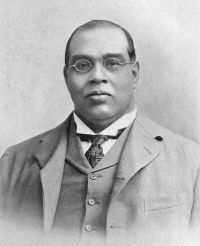
Portrait of Romesh Chunder Dutt Romesh Chunder Dutt 1911 Encyclopædia Britannica, Volume 28… (1911)

The literature of Bengal, previous to the 19th century, was entirely in verse. Ram Mohan Roy, the religious reformer of Bengal, created the literary prose of Bengal early in the 19th century by his numerous translations and religious tracts; and Iswar Chandra Vidyasagar and his fellow-worker, Akhay Kumar Datta, added to its power and beauty about the middle of that century. These three writers are generally recognized as the fathers of Bengali prose literature. As a social reformer and educationist, too, Iswar Chandra made his mark.
Source: Wikisource

Portrait of Romesh Chunder Dutt Romesh Chunder Dutt 1911 Encyclopædia Britannica, Volume 28… (1911)

The British government responded; the act was passed in 1856, and some years after Iswar Chandra's own son was married to a widow. In the last years of his life Iswar Chandra wrote works against Hindu polygamy. He was as well known for his charity and wide philanthropy as for his educational and social reforms. His large income, derived from the sale of school-books, was devoted almost entirely to the succour of the needy; hundreds of young men owed their education to him; hundreds of widows depended on him for their daily bread.
Source: Wikisource

Get perspective with Kwize: daily news enlightened by great literature