Summary

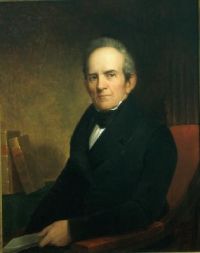
Portrait of Smith Thompson Smith Thompson Binney v. Chesapeake and Ohio Canal Company…

But the entire absence of any provision looking to compulsory measures, as to the mode and manner in which the agreement is to be made or executed, is a very strong, if not conclusive reason to show that no such right exists; and leads irresistibly to the conclusion, that this is a matter left open for the voluntary arrangement of the parties.
To consider the company bound to enter into such agreements with the owners of the adjacent land, the whole extent of the canal, and liable to be called upon to alter and enlarge the same, at the pleasure of such owners
Source: Wikisource

Portrait of Smith Thompson Smith Thompson Binney v. Chesapeake and Ohio Canal Company…

No injunction is prayed to restrain the defendants from the use of such land; and this cannot be granted under the general prayer. No proper case is made for such relief. It does not come within the scope and object of the will; and would be inconsistent with the specific relief prayed: which, instead of restraining the defendants from the use of such lands, seeks to compel them to enlarge the canal still more, if necessary, to accomplish the purposes for which the complainant wants the water.
Source: Wikisource

Portrait of Smith Thompson Smith Thompson Binney v. Chesapeake and Ohio Canal Company…

Nor is it matter of complaint to be made by the appellant, that the company avow a determination to dispose of the surplus water, after it passes through his land, for their own benefit and profit. This cannot in any manner, prejudice the complainant. And the bill only charges, that such is the avowed purpose of the defendants, when it can be done without injury to the navigation, and in case they can obtain an enlargement of their charter.
Source: Wikisource

Get perspective with Kwize: daily news enlightened by great literature