Summary

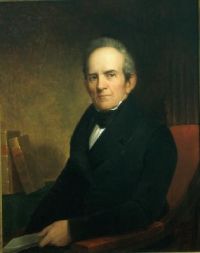
Portrait of Smith Thompson Smith Thompson United States v. Wood (39 U.S. 430…

The rule, as we find it laid down in the elementary books on this subject, is, that to convict a party of the crime of perjury, two witnesses are necessary to contradict him as to the fact upon which the perjury is assigned: and the reason assigned for the rule is, that if one witness only is produced, there will only be one oath against another. This rule, however, in the early adjudged cases, was so modified as to require but one living witness, corroborated by circumstances, to contradict the oath of the defendant
Source: Wikisource

Portrait of Smith Thompson Smith Thompson United States v. Wood (39 U.S. 430…

But it is more congenial with the humane principles of our criminal law, that a guilty man should escape, than to convict him upon evidence heretofore considered as insufficient, according to what is admitted to have been the settled rule of law. Answering the question put in the record in the negative, is abolishing that rule and introducing one entirely new; and putting the crime of perjury on the same footing as any other criminal offence, with respect to the evidence necessary to convict the accused.
Source: Wikisource

Portrait of Smith Thompson Smith Thompson United States v. Wood (39 U.S. 430…

But the present case does not come within that rule, even if we are disposed to follow the English Courts on that subject; for the letters of the defendant cannot certainly be said to be evidence under oath, so as to charge him with contradictory oaths on the fact assigned as perjury. Rules of evidence are rules of law, applicable to the rights of persons as well as to the rights of property; and parties are entitled to have their rights tested and decided by such rules, as much in one case as the other.
Source: Wikisource

Get perspective with Kwize: daily news enlightened by great literature