Summary

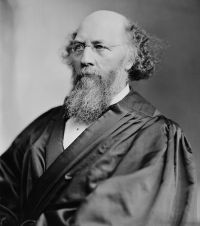
Portrait of Stephen Johnson Field Stephen Johnson Field Goetz v. Bank of Kansas City — Opinion of the Court

Under these circumstances, it is not surprising that, when the drafts on the merchants in Milwaukee were presented for discount, the bank made no inquiry as to the genuineness of the bills of lading attached to them. A bank in discounting commercial paper does not guaranty the genuineness of a document attached to it as collateral security. Bills of lading attached to drafts drawn, as in the present case, are merely security for the payment of the drafts.
Source: Wikisource

Portrait of Stephen Johnson Field Stephen Johnson Field Goetz v. Bank of Kansas City — Opinion of the Court

In giving its decision, Lord DENMAN said: 'The plea does not show that the plaintiffs made any representation which they knew to be false, nor that they warranted the bill of lading to be genuine, nor does it disclose that the defendants accepted the bill of exchange on which the action is brought upon the faith of any assertion by the plaintiffs, further than their indorsement upon it that the bill of lading, which turned out to be forged, was genuine.
Source: Wikisource

Portrait of Stephen Johnson Field Stephen Johnson Field Goetz v. Bank of Kansas City — Opinion of the Court

A merchant will ship a lot of grain to New York, the drafts come there, and for some reason a commission merchant won't pay them. It may be that he is not in a position to do it. It may be he thinks they are drawn for too much, and he refuses to pay. The drafts come back, or are held, under directions of the bank, for settlement or other arrangement. That is a very common occurrence on shipments with bills of lading attached.' There could be no just objection to the court's receiving this explanation.
Source: Wikisource

Get perspective with Kwize: daily news enlightened by great literature