Summary

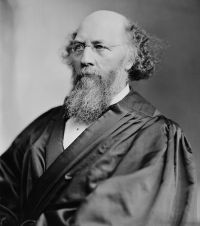
Portrait of Stephen Johnson Field Stephen Johnson Field Marsh v. Whitmore — Opinion of the Court

The question, therefore, is, whether the complainant under these circumstances, after this long acquiescence in the acts of the defendant, with knowledge of the transaction, can call upon him to account for the present value of the bonds purchased by him. Most undoubtedly that sale was voidable. The character of vendor and that of purchaser cannot be held by the same person. They impose different obligations. Their union in the same person would at once raise a conflict between interest and duty, and, constituted as humanity is, in the majority of cases duty would be overborne in the struggle.
Source: Wikisource

Portrait of Stephen Johnson Field Stephen Johnson Field Marsh v. Whitmore — Opinion of the Court

Badger, [1] citing from previous decisions, who appeals to the conscience of the chancellor in support of a claim, where there has been laches in prosecuting it, or long acquiescence in the assertion of adverse rights, 'should set forth in his bill specifically what were the impediments to an earlier prosecution of his claim; how he came to be so long ignorant of his rights, and the means used by the respondent to fraudulently keep him in ignorance
Source: Wikisource

Get perspective with Kwize: daily news enlightened by great literature