Summary

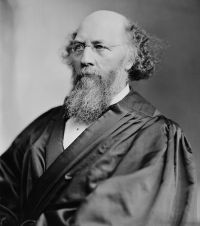
Portrait of Stephen Johnson Field Stephen Johnson Field Sparks v. Pierce — Opinion of the Court

A person who makes improvements upon public land, knowing that he has no title, and that the land is open to exploration and sale for its minerals, and makes no effort to secure the title to it as such land under the laws of congress, or a right or possession under the local customs and rules of miners, has no claim to compensation for his improvements as an adverse holder in good faith when such sale is made to another, and the title is passed to him by a patent of the United States.
Source: Wikisource

Portrait of Stephen Johnson Field Stephen Johnson Field Sparks v. Pierce — Opinion of the Court

Mere occupancy of the public lands and improvements thereon give no vested right therein as against the United States, and consequently not against any purchaser from them. To entitle a party to relief against a patent of the government, he must show a better right to the land than the patentee, such as in law should have been respected by the officers of the land department, and being respected would have given him the patent. It is not sufficient to show that the patentee ought not to have received the patent.
Source: Wikisource

Portrait of Stephen Johnson Field Stephen Johnson Field Sparks v. Pierce — Opinion of the Court

Hawke. There an entry had been made of the town-site in the landoffice of the United States by the probate judge of the county for the benefit of the occupants of the town. The entry, it is true, was afterwards canceled by the secretary of the interior so far as the premises in controversy in that case were concerned. The proceedings showed, however, a desire on the part of the occupants to secure the title of the United States, and not to rest upon their naked possession.
Source: Wikisource

Get perspective with Kwize: daily news enlightened by great literature