Summary

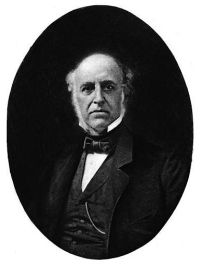
Portrait of Thomas Bulfinch Thomas Bulfinch The Age of Fable: — XXXI. Adventures of Æneas… (1855)

As he sat watching the stars, with his hand on the helm, Somnus sent by Neptune approached in the guise of Phorbas and said: "Palinurus, the breeze is fair, the water smooth, and the ship sails steadily on her course. Lie down awhile and take needful rest. I will stand at the helm in your place." Palinurus replied, "Tell me not of smooth seas or favoring winds,—me who have seen so much of their treachery. Shall I trust Æneas to the chances of the weather and the winds?" And he continued to grasp the helm and to keep his eyes fixed on the stars.
Source: Wikisource

Portrait of Thomas Bulfinch Thomas Bulfinch The Age of Fable: — XXXI. Adventures of Æneas… (1855)

Æneas, following the advice of Helenus, shunned the dangerous pass and coasted along the island of Sicily.
Juno, seeing the Trojans speeding their way prosperously towards their destined shore, felt her old grudge against them revive, for she could not forget the slight that Paris had put upon her, in awarding the prize of beauty to another. In heavenly minds can such resentments dwell. [2] Accordingly she hastened to Æolus, the ruler of the winds,—the same who supplied Ulysses with favoring gales, giving him the contrary ones tied up in a bag.
Source: Wikisource

Portrait of Thomas Bulfinch Thomas Bulfinch The Age of Fable: — XXXI. Adventures of Æneas… (1855)

They next landed on the island of Delos, which was once a floating island, till Jupiter fastened it by adamantine chains to the bottom of the sea. Apollo and Diana were born there, and the island was sacred to Apollo. Here Æneas consulted the oracle of Apollo, and received an answer, ambiguous as usual,—"Seek your ancient mother; there the race of Æneas shall dwell, and reduce all other nations to their sway." The Trojans heard with joy and immediately began to ask one another, "Where is the spot intended by the oracle?"
Source: Wikisource

Get perspective with Kwize: daily news enlightened by great literature