Summary

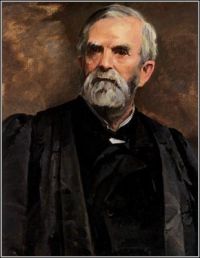
Portrait of William Burnham Woods William Burnham Woods Railway Company v. Sprague — Opinion of the Court

Negotiable bonds have been used as a means of raising money, not only by railroad companies, but by the national government, states, counties, and cities. To hold that the moment an unpaid coupon is left on a bond its character and negotiability are changed would greatly embarrass the traffic in such securities and lead to endless uncertainty and confusion.
The mere presence, therefore, of two unpaid coupons upon the bonds purchased by Mrs. Sprague was not of itself sufficient evidence of the dishonor of the bonds to which they were attached.
Source: Wikisource

Portrait of William Burnham Woods William Burnham Woods Railway Company v. Sprague — Opinion of the Court

Sprague of two past-due unpaid interest coupons make the bonds dishonored paper?
Coupons are separable obligations for the interest payable upon demand. It constantly occurs that they are not demanded for weeks and months, and sometimes years, after they are due. As they bear interest after maturity, it will frequently happen that the owner of a bond who holds it as an investment will keep the coupon for the same purpose.
Bonds executed by a railroad company may not be put upon the market until one or more coupons have matured.
Source: Wikisource

Get perspective with Kwize: daily news enlightened by great literature