Summary

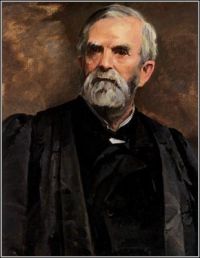
Portrait of William Burnham Woods William Burnham Woods Warren v. Stoddart — Opinion of the Court

If Stoddart violated his contract with Warren in refusing to fill his orders except for cash, the measure of Warren's damages would be the interest for thirty days on the amount of cash paid on his orders. As no proof was given to show that Warren had ever paid cash for any books ordered by him, he would only be entitled, in any view of the case, to nominal damages.
Source: Wikisource

Portrait of William Burnham Woods William Burnham Woods Warren v. Stoddart — Opinion of the Court

The damage sustained by Warren because he did not get the thirty days' credit which he thinks he was entitled to is not to be measured in that way.
The rule is, that where a party is entitled to the benefit of a contract, and can save himself from a loss arising from a breach of it at a trifling expense or with reasonable exertions, it is his duty to do it, and he can charge the delinquent with such damages only as with reasonable endeavors and expense he could not prevent.
Source: Wikisource

Get perspective with Kwize: daily news enlightened by great literature