Summary

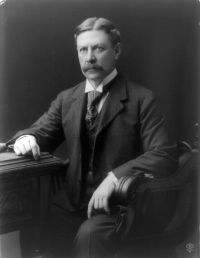
Portrait of William Henry Moody William Henry Moody Bryant v. Swofford Brothers Dry Goods Company…

The parties in the controversy, then being at arms' length, agreed that if the dry goods company would give up the advantages of possession, and, instead of converting the goods, notes, and accounts into cash in its own way and on its own account, permit the receiver to do so, then those goods should be deemed part of those delivered under the contract, and the notes and accounts the proceeds of other goods delivered under the contract.
Source: Wikisource

Portrait of William Henry Moody William Henry Moody Bryant v. Swofford Brothers Dry Goods Company…

The contract gave the Newtons the right to sell the goods in the ordinary course of business, but, as has been said, provided that the proceeds of the sale, in whatever form they existed, should be the property of the dry goods company. When the Newtons became insolvent and ceased business, they, in recognition of the obligations due from them under this contract, returned to the dry goods company that part of their goods which remained unsold.
Source: Wikisource

Portrait of William Henry Moody William Henry Moody Bryant v. Swofford Brothers Dry Goods Company…

The trustee has taken the property under it and has never offered to return the property, or any part of it. The property has in large part been sold or otherwise disposed of in the course of the bankruptcy administration. Under these circumstances we are of opinion that the trustee, the appellant in this case, was bound by the agreement of the receiver, that all the property in dispute should be conclusively deemed that which passed under the original conditional contract, or the proceeds thereof.
Source: Wikisource

Get perspective with Kwize: daily news enlightened by great literature