Summary

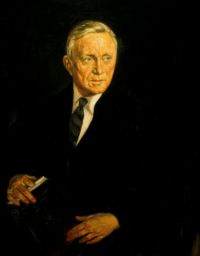
Portrait of William O. Douglas William O. Douglas Brock v. North Carolina — Dissent

That point of view should shape our conception of double jeopardy and due process of law. Once the prosecution can call a halt in the middle of a trial in order to await a more favorable time, or to find new evidence, or to make up the deficiencies in the testimony of its witnesses, the promise of protection against double jeopardy loses the great force it was thought to have when the Constitution was written.
Source: Wikisource

Portrait of William O. Douglas William O. Douglas Brock v. North Carolina — Dissent

In 1795, when the reasons for the guarantee against double jeopardy were still fresh in men's minds, a North Carolina court stated the basis for not allowing the prosecution to have a jury discharged so that it could obtain better evidence against the accused.
'The rule as laid down in 3 Co.Inst., 110, and 1 Inst., 227, is general and without exception that a jury in a capital case cannot be discharged without giving a verdict.
Source: Wikisource

Get perspective with Kwize: daily news enlightened by great literature