Summary

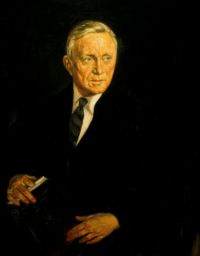
Portrait of William O. Douglas William O. Douglas Johnson v. United States (318 U.S. 189…

It is no answer to say that comment on a defendant's refusal to testify does not in any way place him in jeopardy of being charged with or convicted of the crime protected by his privilege. That may be admitted. The problem here is a different one. It is whether a procedure will be approved which deprives an accused on facts such as these of an intelligent choice between claiming or waiving his privilege. Knowledge that a failure to testify though permitted by the court would be submitted to the jury might seriously affect that choice.
Source: Wikisource

Portrait of William O. Douglas William O. Douglas Johnson v. United States (318 U.S. 189…

In reviewing criminal cases, it is particularly important for appellate courts to relive the whole trial imaginatively and not to extract from episodes in isolation abstract questions of evidence and procedure. To turn a criminal appeal into a quest for error no more promotes the ends of justice than to acquiesce in low standards of criminal prosecution.
Source: Wikisource

Portrait of William O. Douglas William O. Douglas Johnson v. United States (318 U.S. 189…

Elementary fairness requires that an accused should not be misled on that score. If advised by the court that his claim of privilege though granted would be employed against him, he well might never claim it. If he receives assurance that it will be granted if claimed, or if it is claimed and granted outright, he has every right to expect that the ruling is made in good faith and that the rule against comment will be observed. Certainly the question whether petitioner had received income from the syndicate during November and December, 1937, was an extremely material issue in the case.
Source: Wikisource

Get perspective with Kwize: daily news enlightened by great literature