Summary

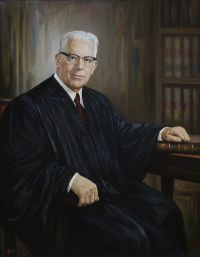
Portrait of Earl Warren Earl Warren Quinn v. United States (349 U.S. 155… (1955)

Here petitioner, by adopting the grounds relied upon by Fitzpatrick, based his refusal to answer on 'the first and fifth Amendments' and 'the first amendment to the Constitution, supplemented by the fifth amendment.' The Government concedes-as we think it must-that a witness may invoke the privilege by stating 'I refuse to testify on the ground of the Fifth Amendment.' Surely, in popular parlance and even in legal literature, the term 'Fifth Amendment' in the context of our time is commonly regarded as being synonymous with the privilege against self-incrimination.
Source: Wikisource

Portrait of Earl Warren Earl Warren Quinn v. United States (349 U.S. 155… (1955)

As a consequence, petitioner was entitled to claim the privilege. The principal issue here is whether or not he did.
It is agreed by all that a claim of the privilege does not require any special combination of words. [30] Plainly a witness need not have the skill of a lawyer to invoke the protection of the Self-Incrimination Clause. If an objection to a question is made in any language that a committee may reasonably be expected to understand as an attempt to invoke the privilege, it must be respected both by the committee and by a court in a prosecution under § 192.
Source: Wikisource

Get perspective with Kwize: daily news enlightened by great literature