Summary

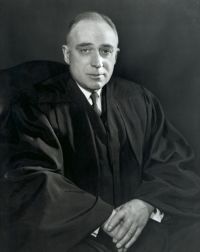
Portrait of John Marshall Harlan II John Marshall Harlan II In re Anastaplo — Opinion of the Court

The other aspect of petitioner's claim on lack of adequate warning is equally untenable. It is true that the Committee told Anastaplo that his refusal to answer be visited on him. Anastaplo was entitled his exclusion from the bar, but only that it 'could and might.' This, however, certainly did not give rise to constitutional infirmity. Even as to one charged with crime due process does not demand that he be warned as to what specific sanction will be applied to him if he violates the law.
Source: Wikisource

Portrait of John Marshall Harlan II John Marshall Harlan II In re Anastaplo — Opinion of the Court

A different conclusion is not suggested by the circumstances that the Committee when it reheard Anastaplo evidence its willingness to consider the effect of petitioner's refusal to answer in light of what might transpire at the hearings, and that it continued to explore petitioner's views on resistance and overthrow long after it became clear that he would refuse to answer Communist-affiliation questions.
Source: Wikisource

Portrait of John Marshall Harlan II John Marshall Harlan II In re Anastaplo — Opinion of the Court

In 1954 petitioner, George Anastaplo, an instructor and research assistant at the University of Chicago, having previously passed his Illinois bar examinations, was denied admission to the bar of that State by the Illinois Supreme Court. [1] The denial was based upon his refusal to answer questions of the Committee on Character and Fitness as to whether he was a member of the Communist Party. [2] This Court, two Justices dissenting, refused review.
Source: Wikisource

Get perspective with Kwize: daily news enlightened by great literature