Summary

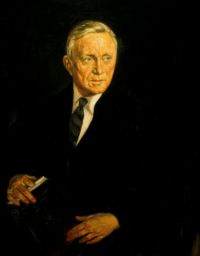
Portrait of William O. Douglas William O. Douglas Schneider v. Rusk (377 U.S. 163…

A native-born citizen is free to reside abroad indefinitely without suffering loss of citizenship. The discrimination aimed at naturalized citizens drastically limits their rights to live and work abroad in a way that other citizens may. It creates indeed a second-class citizenship. Living abroad, whether the citizen be naturalized or native born, is no badge of lack of allegiance and in no way evidences a voluntary renunciation of nationality and allegiance.
Source: Wikisource

Portrait of William O. Douglas William O. Douglas Schneider v. Rusk (377 U.S. 163…

Other nations, it is said, frequently attempt to treat such persons as their own citizens, thus embroiling the United States in conflicts when it attempts to afford them protection. It is argued that expatriation is an alternative to withdrawal of diplomatic protection. It is also argued that Congress reasonably can protect against the tendency of three years' residence in a naturalized citizen's former homeland to weaken his or her allegiance to this country.
Source: Wikisource

Portrait of William O. Douglas William O. Douglas Schneider v. Rusk (377 U.S. 163…

While the rights of citizenship of the native born derive from § 1 of the Fourteenth Amendment and the rights of the naturalized citizen derive from satisfying, free of fraud, the requirements set by Congress, the latter, apart from the exception noted, 'becomes a member of the society, possessing all the rights of a native citizen, and standing, in the view of the constitution, on the footing of a native. The constitution does not authorize Congress to enlarge or abridge those rights.
Source: Wikisource

Get perspective with Kwize: daily news enlightened by great literature