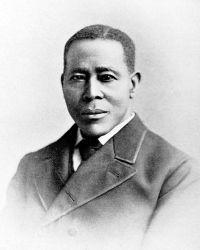
Expatriation, the act of giving up one's nationality or place of residence in favor of another, has long been a topic of legal, social, and ethical examination. From John Watson Foster’s view of expatriation as a privilege rather than a right to Marion Phillips’ note that modern emigration lacks the stigma of the past, writers have debated its consequences.
William Still contested the idea of compelled departure in the context of slavery, while Stanley Waterloo emphasized its personal and existential significance. Legal documents, such as those from the U.S. Congress, highlight its political intricacies, portraying it as both a fundamental right and a controversial policy matter. These varied viewpoints demonstrate that expatriation is a complex phenomenon linked to citizenship, loyalty, and historical efforts such as the American Colonization Society.
 John Watson Foster,
American Diplomacy in the Orient
(1903)
John Watson Foster,
American Diplomacy in the Orient
(1903)