Summary

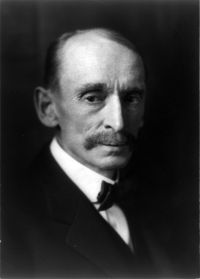
Portrait of William R. Day William R. Day,  Berger v. United States — Dissent (1921)

“ To permit an ex parte affidavit to become in effect a final adjudication of the disqualification of a judge when facts are shown, such as are here established, seems to me to be fraught with much danger to the independent discharge of duties by federal judges, and to open a door to the abuse of the privilege which is intended to be conferred by the statute in question. ”
Source: Wikisource

Portrait of William R. Day William R. Day,  Berger v. United States — Dissent (1921)

“ These statutes vary in character, and in the requirements for establishing the bias or prejudice of the judge which may require him to abstain from sitting at the trial of a particular case. In some of them an affidavit of belief of prejudice, or that a fair trial cannot be had before a particular judge, is sufficient to disqualify him. Other statutes require supporting affidavits and the certificate of counsel, and provide for a hearing on the matter of disqualification. In some states the matter is required to be heard before another judge. ”
Source: Wikisource

Portrait of William R. Day William R. Day,  Berger v. United States — Dissent (1921)

“ Notwithstanding the filing of the affidavit purporting compliance with the statute, the court has a right to use all reasonable means to protect itself from imposition. Davis et al. v. Rivers et al., 49 Iowa, 435. The personal bias or prejudice of the judge against the defendants in this case is said to be established by language imputed to the judge as his utterance concerning the attitude of the German people during the progress of the war. ”
Source: Wikisource

Get perspective with Kwize: daily news enlightened by great literature