Summary

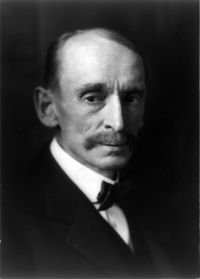
Portrait of William R. Day William R. Day Krichman v. United States — Opinion of the Court

We are constrained to the conclusion that the construction given in the courts below, and insisted upon by the government, practically recasts the statute from one embracing officials, and those discharging official functions, into one including every person discharging any sort of duty while the government is in control of the work.
Source: Wikisource

Portrait of William R. Day William R. Day Krichman v. United States — Opinion of the Court

It is true that in the emergencies of war the government took over the operation of the railroads, and placed them under the control of the President, acting by his chosen Director General, who was given full authority to avail himself of the services of railroad officials, directors, employees, etc., with ample authority over all. But we cannot believe that this action brought every service, however remote from the exertion of official authority, into the exercise of an official function within the meaning of the statute.
Source: Wikisource

Portrait of William R. Day William R. Day Krichman v. United States — Opinion of the Court

Not every person performing any service for the government, however humble, is embraced within the terms of the statute. It includes those, not officers, who are performing duties of an official character. As was well suggested by Judge Ward in his dissenting opinion in the Circuit Court of Appeals, not every employee of the government is covered by the act, but a limitation is made applying to those acting in official functions.
Source: Wikisource

Get perspective with Kwize: daily news enlightened by great literature