Summary

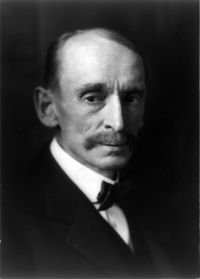
Portrait of William R. Day William R. Day United States v. Wildcat — Opinion of the Court

Upon the trial of the case, the government offered to show by witnesses and circumstances that Thlocco in fact died in January, 1899. Upon objection to this evidence by the defendants, the trial court ruled that the question whether Thlocco was living on April 1, 1899, was one of the questions which the law submitted to the Dawes Commission, and that its decision, placing Thlocco's name on the tribal roll, could only be attacked upon the ground of fraud, error of law, or gross mistake of fact, or upon the ground that the Commission acted arbitrarily and wholly without evidence
Source: Wikisource

Portrait of William R. Day William R. Day United States v. Wildcat — Opinion of the Court

The acting chairman of the Dawes Commission testified that they did not, to his knowledge, ever enroll any man without taking some evidence, information, or eliciting knowledge from some source other than the tribal rolls that he was entitled to be enrolled, and it was never permitted to be done; that the purpose was to find out whether a man was entitled to enrolment, and one of the factors in that determination was whether he died prior or subsequent to April 1, 1899
Source: Wikisource

Portrait of William R. Day William R. Day United States v. Wildcat — Opinion of the Court

There shall be allotted to each citizen one hundred and sixty acres of land boundaries to conform to the government survey-which may be selected by him so as to include improvements which belong to him.' While citizens were thus permitted to make their selections for the purpose of retaining improvements, it seems clear that in case any citizen failed to avail himself of this right, it was permissible for the Commission to make the allotment.
Source: Wikisource

Get perspective with Kwize: daily news enlightened by great literature