Summary

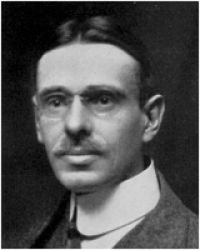
Portrait of William Tyler Olcott William Tyler Olcott Star Lore Of All Ages — Virgo, the Virgin (1911)

The identity of Ceres, the goddess of the harvest, with this star group quite evident. This figure of the fruitful Virgin was placed in the zodiac as emblematic of the harvest season because the sun is in those stars at that time. The word 'Virgo' originally implied not only a Virgin but any virtuous matron. By an astronomical allegory, the Virgin of August became a goddess who descended to the earth, presided over the harvest, taught mankind agriculture, and was worshipped under various names.
Source: Wikisource

Portrait of William Tyler Olcott William Tyler Olcott Star Lore Of All Ages — Virgo, the Virgin (1911)

The beautiful white first magnitude star "Spica," α Virginis, is the most noted star in the constellation. It indicates the wheat ear which the Virgin holds in her left hand, and also signifies "the Ear of Wheat." The Arabs called it "the Solitary, the Defenceless, or Unarmed One," possibly because of its isolated position in the sky. They also knew it as "the Calf of the Lion," or "the Shin Bone of the Lion," Leo being much greater in extent in ancient times than is indicated by modern charts.
Source: Wikisource

Portrait of William Tyler Olcott William Tyler Olcott Star Lore Of All Ages — Virgo, the Virgin (1911)

Maunder does not agree with Brown's statement that Virgo represents the wheat harvest. He points out that the star ε Virginis is known as "the herald of the vintage," and the vintage comes considerably later in the year than the harvest. Aratos asserted that Leo first marked the harvest month, and this statement supports Maunder's argument.
According to the poets, this Virgin was Astraæ, the daughter of Astræus and Aurora, and the goddess of justice. Near her appear the Scales in which, it is said, she weighed the good and evil deeds of men.
Source: Wikisource

Get perspective with Kwize: daily news enlightened by great literature