Covenant of Grace

Definition and stakes

Matthew Henry,  Commentary on the Whole Bible… (1700s)

“ The covenant of grace made with us in Christ is a treasury of merit and grace, and thence we receive pardon and a new nature, are freed from the law of sin and death, that is, both from the guilt and power of sin—from the course of the law, and the dominion of the flesh. We are under another covenant, another master, another husband, under the law of the Spirit, the law that gives the Spirit, spiritual life to qualify us for eternal. ”
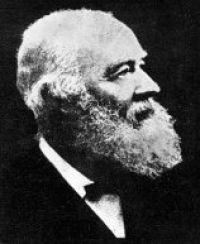
Source: Wikisource

Portrait of John Ball John Ball,  A Treatise of the Covenant of Grace (1645)

“ The Covenant of Grace calleth for perfection, accepteth sincerity, God in mercy pardoning the imperfections of our best performances. If perfection was rigidly exacted, no flesh could be saved: if not at all commanded, imperfection should not be sin, nor perfection to be laboured after. The faith that is lively to imbrace mercy is ever conjoyned with an unfained purpose to walke in all well pleasing, and the sincere performance of all holy obedience, as opportunity is offered, doth ever attend that faith, whereby we continually lay hold upon the promises once embraced. ”
Source: Wikisource

Matthew Henry,  Commentary on the Whole Bible… (1700s)

“ God has made a covenant of grace with us in Jesus Christ, and we are here told, First, That it is an everlasting covenant, from everlasting in the contrivance and counsel of it, and to everlasting in the continuance and consequences of it. Secondly, That it is ordered, well ordered in all things, admirably well, to advance the glory of God and the honour of the Mediator, together with the holiness and comfort of believers. ”
Source: Wikisource

Get perspective with Kwize: daily news enlightened by great literature