East India Company

Definition and stakes

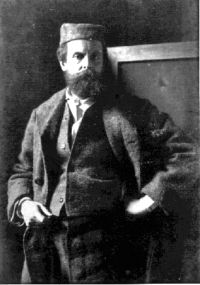
Portrait of E. Keble Chatterton E. Keble Chatterton,  The Old East Indiamen

“ The East India Company rose from being a private venture of a few enterprising merchants to become a gigantic corporation of immense political power, with its own governors, its own cavalry, artillery and infantry, its own navy, and yet with its trade-monopoly and its unsurpassed “regular service” of merchantmen. The latter were the largest, the best built, and the most powerfully armed vessels in the world, with the exception only of some warships. ”
Source: Gutenberg

Portrait of E. Keble Chatterton E. Keble Chatterton,  The Old East Indiamen

“ Ships and men were required as they had never been wanted before, and it was just in this respect that the existence of the East India Company was of the greatest direct benefit to the country and the navy. It must always be to its honour that the Company which had for so long enjoyed the privilege of the Indian monopoly was on this especial occasion to have the privilege of assisting the nation in a most valuable manner. ”
Source: Gutenberg

Earl of John Dalrymple Stair,  The Proper Limits of the Government's Interference with the Affairs of the East-India Company

“ The merits of the East-India Company towards the nation are great and notorious. Whilst every other country has been taxing their subjects, in order to support their East-India trade, the English East-India Company has been the support, to a good extent directly, and in a very great and eminent degree indirectly, of the British finances ”
Source: Gutenberg

Get perspective with Kwize: daily news enlightened by great literature