“ With one voice all the people shall cry in the land of Rhine:‘Never so far from his kingdom was such a goodly bandSent forth by a king, as Etzel hath sent to Burgundia-land!’Know thou, O King most mighty,—let the thing not give thee pause—The wife of the chiefest hero on earth, of Siegfried, she was,Of Siegmund’s son: that champion aforetime here didst thou see.Right worship-worthy might all men account him verily.”Answered and spake King Etzel: “If she was his worthy mate,That noble prince’s glory is so exceeding greatThat wholly it were for mine honour to call her my queen, I trow. ”
Etzel
Definition and stakes
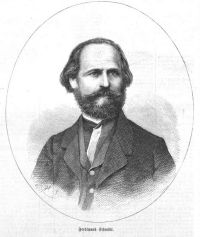
Etzel, a central figure in medieval Germanic legend, is primarily depicted as the Hunnish king whose court serves as the setting for the tragic Nibelungen saga. Authors such as Ferdinand Schmidt and anonymous contributors to The Lay of the Nibelung Men portray him as a noble yet conflicted ruler, torn between honor and the dangerous demands of his wife, Kriemhild.
His interactions with figures like Hagen and Siegfried’s kin underscore themes of loyalty, revenge, and the instability of power. These narratives, though differing in style, collectively present Etzel as a crucial, if imperfect, force behind the epic’s tragic conclusion.
Quotes about “Etzel”
“ So then when the great King Etzel beheld his son brought in,In faith and in lovingkindness he spake unto Kriemhild’s kin:“Behold, my friends and my kinsmen, mine only son is this,And the child of Kriemhild your sister: your friend that shall be he is.If he favour his Rhineland kinsmen, a stalwart man shall he be,Mighty withal and noble, valiant and comely to see. ”
“ She spake unto King Etzel: “My dearly-belovèd Lord,I would make unto thee my petition, if this thy grace would accord,That thou suffer mine heart to be gladdened, if my love hath deserved this meed,By the proof of mine eyes that my kinsmen be dear unto thee indeed.”Then spake the King, and, speaking, was guileless his heart within:“Hereof will I certify thee: whatsoe’er to thine hero-kinIs done for their honour and profit, for mine own joy shall it be done;For never by love of woman nobler kin have I won.” ”