An envoy, historically a diplomatic head of mission ranked below ambassador, functioned as a plenipotentiary representative in legations rather than embassies. Under the Congress of Vienna’s diplomatic hierarchy, envoys held full authority but did not enjoy the personal status of ambassadors. Post-World War II, the UN’s principle of state equality rendered the envoy rank outdated, as nations elevated their diplomatic relations to the ambassadorial level.
Authors like Mark Twain vividly portrayed envoys as jewel-encrusted figures, while F. Brinkley documented their ceremonial roles in Japanese diplomacy. Charles James Lever emphasized their strategic significance in crises, and John Marshall highlighted their diplomatic weight. The envoy’s decline reflected changing global power structures, culminating in its final abolition in 1993, leaving the position as a relic of a more hierarchical international order.
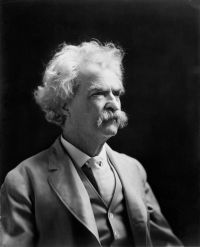 Mark Twain,
The Prince and the Pauper
(1881)
Mark Twain,
The Prince and the Pauper
(1881)