Gospel of Luke

Definition and stakes

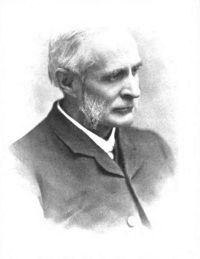
Charles Rosenbury Erdman The Gospel of Luke, an exposition

The story of Luke is never lacking in human interest, but no scene is more suffused with sentiment, none more vivid with color, than that which pictures Jesus entering Jerusalem in triumph. We see our Lord mounted as a king, surrounded by acclaiming multitudes, sweeping over the brow of Olivet, while his attendant disciples spread their garments in the way and hail him as the Messiah. We see him lamenting over the doomed city and hear the harsh tones of the rulers who are plotting his death.
Source: Gutenberg

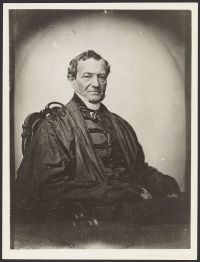
Portrait of Ernest Renan Ernest Renan Life of Jesus — Introduction (1927)

It is clear that, if these titles are exact, the Gospels, without ceasing to be in part legendary, are of great value, since they enable us to go back to the half-century which followed the death of Jesus, and, in two instances, even to the eye-witnesses of his actions.
Firstly, as to Luke, doubt is scarcely possible. The Gospel of Luke is a regular composition, founded on anterior documents. It is the work of a man who selects, prunes, and combines. The author of this Gospel is certainly the same as that of the Acts of the Apostles.
Source: Wikisource

Charles Rosenbury Erdman The Gospel of Luke, an exposition

It is a vivid picture which Luke draws; the humble trust of the poor sufferer, his pitiful cry, the sympathetic touch of Jesus, the word of command and the instant cure. While Jesus forbade the man to arouse excitement by telling of his healing, he commanded him to report his case to the priest, that the highest religious authorities might have unanswerable testimony to the divine power of Christ, and also that the man might bring the offerings required by the Law and thus express his gratitude to God.
Source: Gutenberg

Get perspective with Kwize: daily news enlightened by great literature