“ The Gulf Coast is a national treasure. Its natural resources are an important economic engine for the entire United States; its waters sustain a diverse and vibrant ecosystem; and the Gulf's culture, natural beauty, and historic significance are unique. Each year, millions of tourists visit the Gulf to vacation, swim, boat, fish, hunt, and bird-watch ”
Gulf Coast of the United States
Definition and stakes
The theme of “Gulf Coast of the United States” has been addressed by authors such as John Lort Stokes, James Madison, Matthew Fontaine Maury, Jefferson Davis and Matthew Fontaine Maury, Lieutenant, U.S.N.. It is often associated with terms like Florida, stream, Mexico, ocean and river.
Quotes about “Gulf Coast of the United States”
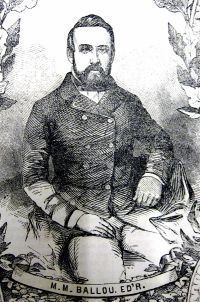 Maturin M. Ballou,
Due South; or, Cuba Past and Present
Maturin M. Ballou,
Due South; or, Cuba Past and Present
“ One neither departs from nor approaches the Cuban shore without crossing that marvelous ocean river, the Gulf Stream, with banks and bottom of cold water, while its body and surface are warm. Its color, in the region of the gulf where it seems to have its rise, is indigo blue, so distinct that the eye can follow its line of demarkation where it joins the common waters of the sea in their prairie-green. Its surface temperature on the coast of the United States is from 75° to 80° Fahrenheit. ”
Albert Perry Brigham, Cleveland Abbe, David Hale Newland, Alvin Sydney Johnson, Theophilus F. Rodenbough, Lewis Sayre Van Duzer, Isaac J. Cox, James Wilford Garner, Harry A. Cushing, and others, The New International Encyclopædia…
“ The Gulf coast region is similarly favored with navigable rivers and with ports. The Mississippi River system gives water communication with the vast portion of the interior of the country. The Pacific coast is less favored with navigable rivers or with port sites, but the inlets at San Francisco, Portland, and Puget Sound have tributary navigable rivers, and are superior ports. (For river and harbor improvements, see Harbor.) No other nation has a domestic seaboard or lake trade comparable with the American, or a river trade that equals that of the United States. ”

Related terms
Authors who wrote about “Gulf Coast of the United States”
 John Lort Stokes
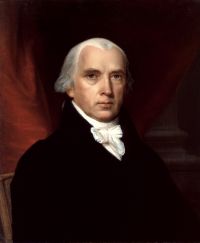 James Madison
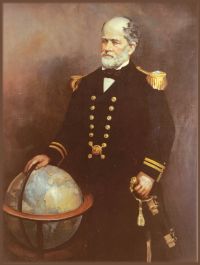 Matthew Fontaine Maury
 Jefferson DavisMatthew Fontaine Maury, Lieutenant…James Monroe
 Hugo Black
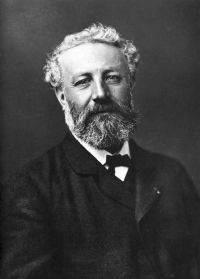 Jules Verne
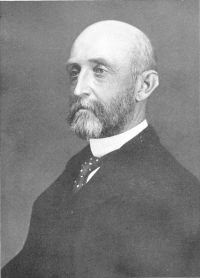 A. T. Mahan
 Thomas Jefferson
 Israel C. Russell
 Aimé Bonpland
 Nathaniel H. BishopMrs. David OsborneC. A. M. TaberAlbert Perry Brigham, Cleveland Abbe…
 Walt WhitmanMartin Van Buren
 Abraham LincolnPhilip Lake, Andrew J. Lamoureux…