Harald Hardrada

Definition and stakes

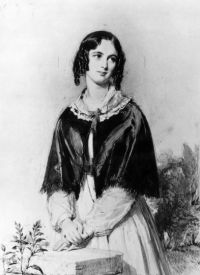
Portrait of Charlotte M. Yonge Charlotte M. Yonge,  History of Christian names (1884)

“ Anschar to Denmark, but like all the first Christian kings of Scandinavia, was himself expelled from his realm by his subjects. Harald Hardrada, or the resolute, was the very crown of the poetic sea-kings of Norway, meeting with romantic adventures in Constantinople, singing the praises of his Russian bride all across the sea, exchanging gallant messages with his namesake Harold Godwinson at Stamford Bridge, and dying as poetically as he had lived at the foot of his banner Landwaster. ”
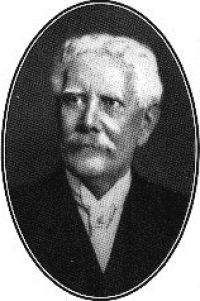
Source: Gutenberg

Marquis of Frederick Temple Blackwood Dufferin and Ava,  Letters from High Latitudes

“ On nearing the castle, they see "a cloud of dust as from horses' feet, and under it shining shields and bright armour." English Harold's army is before them. Hardrada sends back to his ship for succour, and sets up his banner, "Land Ravager," undismayed by the inequality of his force, and their comparatively unarmed condition. The men on each side are drawn up in battle array, and the two kings in presence; each gazes eagerly to discover his noble foe among the multitude. Harald Hardrada's black horse stumbles and falls ”
Source: Gutenberg

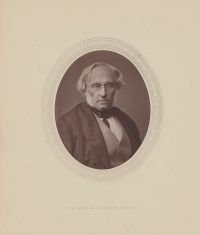
Sir Edward Shepherd Creasy,  The Fifteen Decisive Battles of the World…

“ Harald Hardrada, the strongest and the most chivalric of the kings of Norway, was the first; [See in Snerre the Saga of Harald Hardrada.] Duke William of Normandy was the second; and the Saxon Harold, the son of Earl Godwin, was the third. Never was a nobler prize sought by nobler champions, or striven for more gallantly. The Saxon triumphed over the Norwegian, and the Norman triumphed over the Saxon: but Norse valour was never more conspicuous than when Harald Hardrada and his host fought and fell at Stamford Bridge ”
Source: Gutenberg

Get perspective with Kwize: daily news enlightened by great literature