Jangam

Definition and stakes

Hargrave Jennings,  Phallic Miscellanies

“ The image (lingam) is the deity: the Jangam is the wearer or fellow worshipper: and he who breathes the sacred spell in the ear is the Guru. Thus he supplies the link between the god and the worshipper, and ever after is looked upon with affection as the true parent: even more respected than the father according to the flesh. For, says the Jangam, I am one with the deity, and he alone is my father who conferred this unity on me.
“Brahmins frequently allege that the Jangams are a depraved sect, who are guided by the Tantras or heretical books,” says Mr.
”
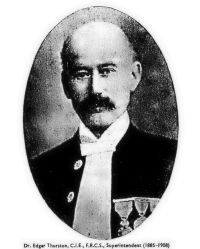
Source: Gutenberg

Portrait of Edgar Thurston Edgar Thurston,  Castes and Tribes of Southern India (1909)

“ Jangam. — It is noted, in the Madras Census Report, 1901, that "strictly speaking, a Jangam is a priest to the religious sect of Lingāyats, but the term is frequently loosely applied to any Lingāyat, which accounts for the large numbers under this head (102,121) . Jangams proper are said to be of two classes, Pattādikāris, who have a definite head-quarters, and Charamūrtis, who go from village to village, preaching the principles of the Lingāyat sect. Many Jangams are priests to Sūdras who are not Lingāyats, others are merely religious beggars, and others of them go in for trade." ”
Source: Wikisource

R. V. Russell,  The Tribes and Castes of the Central Provinces of India…

“ The Jangams worship no deity other than Siva or Mahādeo, and their great festival is the Shivrātri. Some of them make pilgrimages to Pachmarhi, to the Mahādeo hills. Most of them subsist by begging and singing songs in praise of Mahādeo. Grant-Duff gives the Jangam as one of the twenty-four village servants in a Marātha village, perhaps as the priest of the local shrine of Siva, or as the caste priest of the Lingāyats, who are numerous in some Districts of Bombay. ”
Source: Gutenberg

Get perspective with Kwize: daily news enlightened by great literature