Mérida, Yucatán

Definition and stakes

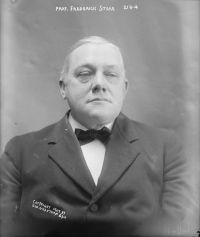
Benjamin Moore Norman,  Rambles in Yucatan; or, Notes of Travel Through the Peninsula

“ Merida, the capital of Yucatan, is situated about the twenty-first degree of north latitude, and is elevated some twenty-five feet above the level of the sea. The thermometer ranges at about eighty of Fahrenheit, and the maximum length of the days is nearly thirteen hours. The city was built upon the ruins of an Indian town, which was destroyed by the Spaniards in their superstitious zeal, so madly manifested in the destruction of every thing throughout Mexico that was found belonging to the people whom they had conquered. ”
Source: Gutenberg

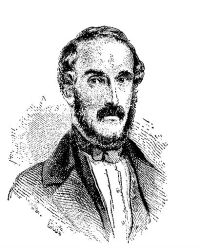
Portrait of John Lloyd Stephens John Lloyd Stephens,  Incidents of Travel in Central America… (1854)

“ The city of Merida contains about 20,000 inhabitants. It is founded on the site of an old Indian village, and dates from a few years after the conquest. In different parts of the city are the remains of Indian buildings. As the capital of the powerful State of Yucatan, it had always enjoyed a high degree of consideration in the Mexican confederacy, and throughout the republic is famed for its sabios or learned men. The State of Yucatan had declared its independence of Mexico ”
Source: Wikisource

Channing Arnold,  The American Egypt: A Record of Travel in Yucatan

“ But even in these unfavourable surroundings tropic Nature beautifies with the greeny-gold leaf of the banana and the heavy-hanging greener crown of the cocoanut palm. Over all rises a strange vista. Merida might well be called the "City of Windmills." On each side of the train you see the horizon literally crowded with air motors for pumping water from the limestone, and you hear it whispered in a tone of pride by a Yucatecan to his neighbour that there are in Yucatan's capital 6,000 of these eyesores. ”
Source: Gutenberg

Get perspective with Kwize: daily news enlightened by great literature