Pichincha

Definition and stakes

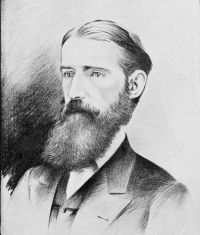
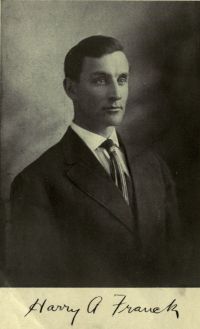
Portrait of Harry Alverson Franck Harry Alverson Franck,  Vagabonding down the Andes

“ The city is clearly visible in its every detail, from the very roof-tiles of its houses to the gay-colored ponchos of the Indians, crawling like minute specks across its squares and along its ditch-like streets. Along the earth-wrinkle at the base of Pichincha’s long ridge are glimpses of small villages, and countless little green fields, standing edge-up on the flank of the range, seem so close at hand as to be almost within touch. ”
Source: Gutenberg

Portrait of Harry Alverson Franck Harry Alverson Franck,  Vagabonding down the Andes

“ Above them two ragged rock and lava peaks, often streaked with snow, the Rucu and Guagua (“Man” and “Baby”) Pichincha, invisible from the city itself, stand forth close at hand against the chill steel-blue of the upland sky. Pichincha is rated a dead volcano, having given no signs of life since 1660; but the early history of Quito is strewn with its ashes and destruction. Quiteños are much given to bewailing their “triste” landscape; yet few of her canvases has Nature painted with so masterly a hand. ”
Source: Gutenberg

Portrait of Harry Alverson Franck Harry Alverson Franck,  Vagabonding down the Andes

“ Another steep, tongue-parching climb brought to view all Pichincha and its surrounding world, yet nowhere was there any sign of Quito. The highway swung south, rising and falling gently here and there between dry fields fenced with cactus or mud walls, a town tucked away in the wrinkle of the range beside us. In a shelter at the roadside an Indian woman, selling steaming soup with a bit of meat and tiny potatoes in it, served us in a single earthenware plate with wooden spoons as impassively as she did her own people. ”
Source: Gutenberg

Get perspective with Kwize: daily news enlightened by great literature