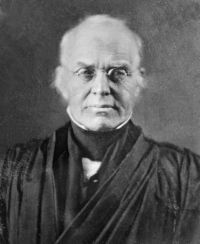
Speaker of the United States House of Representatives

Definition and stakes

Arthur William Dunn Community Civics and Rural Life

ORGANIZATION OF CONGRESS The presiding officer of the Senate is the Vice-President of the United States, while that of the House of Representatives is a SPEAKER elected by the House. The Vice-President has no vote in the Senate except in case of a tie, when he may cast the deciding vote. The Speaker, on the other hand, has all the rights of any other member and has large powers by virtue of his position. He is always elected by a strictly party vote, and therefore represents the majority party in the House.
Source: Gutenberg

United States House of Representatives Raising a Question of the Privileges of the House (2009)

Mr. CLYBURN. Mr. Speaker, this resolution addresses an issue of great
importance to current and future Members of this august body: the
proper conduct of its Members.
Despite statements made by various leaders of the other party, this
is not about partisan politics or inappropriate comments. To the
contrary, this is about the rules of this House and reprehensible
conduct.
Source: Wikisource

Get perspective with Kwize: daily news enlightened by great literature