Zuni Pueblo

Definition and stakes

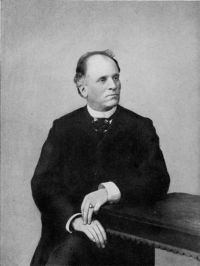
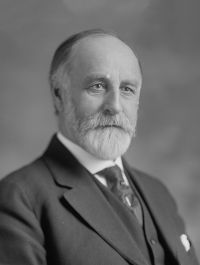
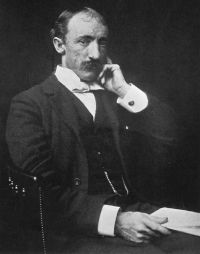
Portrait of Frank Hamilton Cushing Frank Hamilton Cushing,  Outlines of Zuñi Creation Myths

“ Sooner or later such acculturation invariably effects radical change in the forms of things used by one or the other of the peoples thus commingling, or by both; though in the latter case the change is usually unequal. In the case here under consideration there is to be found throughout the nearer Zuñi country ruins of the actual transitional type of pueblo thus formed by the union of the two ancestral branches of the Zuñis, the round town with its cliff-like outer wall merging into the square, terraced town with its broken and angular or straight outer walls ”
Source: Gutenberg

Francis Klett,  Popular Science Monthly (1874)

“ Several tribes of Pueblo Indians have been contaminated by contact with the Spaniards, but the Zuni are still pure, and free from taint through Spanish influence. They are simple, though ceremonious in manners—the latter trait undoubtedly acquired from occasional association with their Latin conquerors. They are extremely hospitable, and, after short acquaintance, are apt to prepossess the stranger and to command his respect. The females are chaste, reserved, extremely modest and rather shy, avoiding, when possible, the gaze of the stranger. ”
Source: Wikisource

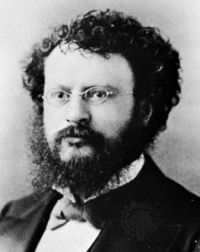
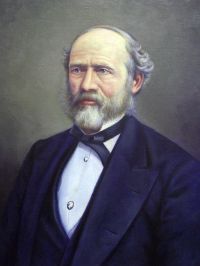
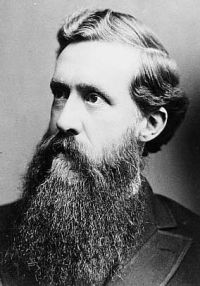
Portrait of Elliott Coues Elliott Coues,  The Expeditions of Zebulon Montgomery Pike…

“ The Zuñi nation, otherwise Çuni, Sune, Soone, Suinyi, Shiwina, etc., sole member of the Zuñian linguistic stock, has but one permanent pueblo, though it also inhabits at times three other small villages, of the nature of "summer resorts," as we should say of our similar æstival refuges. These Indians numbered 1,613 by the census of 1890. They are well distinguished by their speech from all the various Tusayan, Tañoan, and Keresan pueblonians of New Mexico, Arizona, and Chihuahua: for some of which, see next note. ”
Source: Gutenberg

Get perspective with Kwize: daily news enlightened by great literature