Loach

Definition and stakes

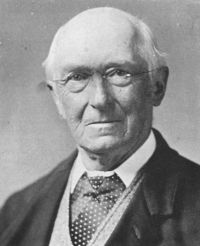
Portrait of R. D. Blackmore R. D. Blackmore,  Lorna Doone: A Romance of Exmoor

“ For more than a mile all down the Lynn stream, scarcely a stone I left unturned, being thoroughly skilled in the tricks of the loach, and knowing how he hides himself. For being gray-spotted, and clear to see through, and something like a cuttle-fish, only more substantial, he will stay quite still where a streak of weed is in the rapid water, hoping to be overlooked, not caring even to wag his tail. ”
Source: Gutenberg

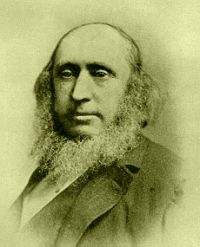
Portrait of Shirley Hibberd Shirley Hibberd,  The Book of the Aquarium (1856)

“ He is a savage on a small scale. When he is quietly dozing, half hidden among the sand and pebbles, throw in a small red worm, and, as soon as the water is tainted with the odour of this favourite food, he is awake and on the search. A triton seizes the worm, and shakes it as a cat would a mouse. The loach hunts him down, snaps at him fiercely, and tears the worm from his mouth, and woe to any minor fish that attempts to remove it from those bearded jaws. ”
Source: Wikisource

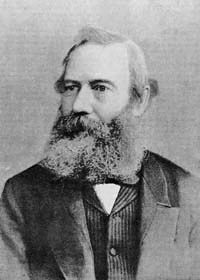
Portrait of Richard Jefferies Richard Jefferies,  Wild Life in a Southern County

“ They rarely rise from the mud or sand; they hide behind stones, their heads buried in the sand, but their tails in sight. Every now and then they change positions, swimming swiftly over the bottom to another spot. Their voracity is very great, and they often disappoint the angler by taking his bait. The cottage people are said to eat them.
The ‘stwun loach’—stone loach, as the lads call it—hides also behind and under stones, and may be caught by hand.
”
Source: Gutenberg

Get perspective with Kwize: daily news enlightened by great literature