Summary

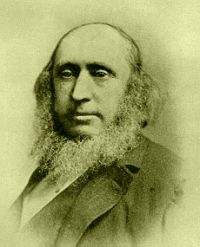
Portrait of R. D. Blackmore R. D. Blackmore Lorna Doone — 7. Hard it is to climb (1869)

I found it strongly overwoven, turned, and torn with thicket-wood, but not so rocky as the Lynn, and more inclined to go evenly. There were bars of chafed stakes stretched from the sides half-way across the current, and light outriders of pithy weed, and blades of last year's water-grass trembling in the quiet places, like a spider's threads, on the transparent stillness, with a tint of olive moving it. And here and there the sun came in, as if his light was sifted, making dance upon the waves, and shadowing the pebbles.
Source: Wikisource

Portrait of R. D. Blackmore R. D. Blackmore Lorna Doone — 7. Hard it is to climb (1869)

And here I had reckoned without my host, although (as I thought) so clever; and it was much but that I went down into the great black pool, and had never been heard of more; and this must have been the end of me, except for my trusty loach-fork. For the green wave came down like great bottles upon me, and my legs were gone off in a moment, and I had not time to cry out with wonder, only to think of my mother and Annie, and knock my head very sadly, which made it go round so that brains were no good, even if I had any.
Source: Wikisource

Portrait of R. D. Blackmore R. D. Blackmore Lorna Doone — 7. Hard it is to climb (1869)

But as I sat there munching a crust of Betty Muxworthy's sweet brown bread, and a bit of cold bacon along with it, and kicking my little red heels against the dry loam to keep them warm, I knew no more than fish under the fork what was going on over me. It seemed a sad business to go back now and tell Annie there were no loaches; and yet it was a frightful thing, knowing what I did of it, to venture, where no grown man durst, up the Bagworthy water. And please to recollect that I was only a boy in those days, fond enough of anything new, but not like a man to meet it.
Source: Wikisource

Get perspective with Kwize: daily news enlightened by great literature