AI-generated from sources
The Unyielding Furrow, Technology, Nature, and the Precarious Balance of Modern Agriculture
In Brief
- Agricultural mechanization, especially the widespread adoption of the tractor, aimed to eliminate physical drudgery and significantly enhance farming efficiency by leveraging mechanical power over animal and human labor.
- Despite technological advancements, modern agriculture remains profoundly vulnerable to environmental factors like unpredictable weather patterns, soil conditions, and water availability, which frequently override mechanical advantages.
- Farm machinery is capital-intensive and requires significant investment, maintenance, and skilled operation, often favoring large-scale farms and leading to economic consolidation rather than universal empowerment.
- A truly sustainable future for agriculture requires a shift from attempting to dominate nature to fostering a collaborative relationship, emphasizing resource conservation, long-term soil health, and intelligent adaptation of technology.
Main authors
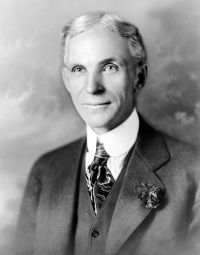

The advent of agricultural machinery in the 20th century heralded a new era, promising to emancipate farming from its age-old constraints of physical endurance and the slow, plodding pace of animal labor. Thinkers and industrialists like Henry Ford championed the tractor as a tool not merely for convenience, but for a fundamental reordering of agricultural life [2]. This new power source promised to vanquish the drudgery that had defined farming for millennia, replacing weary muscles with the tireless force of internal combustion [1]. The machine was envisioned as a means to achieve unprecedented efficiency and scale, capable of working around the clock to seize the narrow, critical windows of opportunity that seasons and weather allowed . It was, in essence, an attempt to impose industrial regularity upon the cyclical and often unpredictable domain of the natural world.
Despite this technological optimism, the practice of modern agriculture reveals a more complex reality. The promise of liberation from nature's whims has remained largely unfulfilled, as farming continues to be a precarious enterprise profoundly shaped by environmental forces. The immutable cycles of weather—from untimely freezes to prolonged droughts or excessive moisture—can swiftly nullify the advantages of the most advanced equipment, disrupting planting and harvesting schedules with impunity [4, 5, 7]. The very soil, whose mysterious life-giving processes remain beyond human replication, sets the ultimate terms for success or failure [9]. This enduring dependency establishes a central tension in modern agriculture: a persistent negotiation between humanity’s technological ambition to control and the fundamental, unyielding power of the natural world to dictate the conditions of its own cultivation.
The Promise of the Mechanical Revolution
The introduction of the tractor was driven by a powerful desire to overcome the sheer physical exhaustion and inherent limitations of traditional farming methods. The back-breaking labor of following a plow for countless miles was a well-understood reality, and the mechanical tractor offered a direct solution to this drudgery . It was conceived as a replacement for the finite stamina of both humans and draft animals, which were often pushed to their limits by demanding tasks like gang-plowing . By substituting mechanical power for biological effort, the tractor promised not just to ease the farmer's burden but to amplify their capacity for work exponentially.
A key advantage offered by mechanization was mastery over time. The tractor's ability to operate continuously, day and night, was a revolutionary concept in an occupation historically governed by daylight and animal endurance . This allowed farmers to prepare seedbeds and plant crops with unprecedented speed, ensuring they could capitalize on ideal soil and weather conditions when they occurred . This capability was not merely about doing the same work faster; it enabled an entirely new scale of operation, allowing a single farmer to accomplish in hours what might have previously taken days . Power farming, therefore, became synonymous with timeliness and the expansion of agricultural frontiers.
The impact of the tractor extended far beyond plowing fields. Through mechanisms like the power-take-off, it became a versatile engine for a wide range of farm tasks, including harvesting fodder and filling silos, thereby reducing labor requirements across diverse agricultural sectors [3]. This mechanization was seen by some as an essential, almost predatory, step toward achieving profitability. From this perspective, agricultural prosperity has historically depended on the exploitation of a resource, and the tractor simply shifted this exploitation from animal and human labor to the power of fossil fuels .
Nature's Immutable Dominion
The perceived omnipotence of agricultural technology is consistently challenged by the formidable and unpredictable power of the environment. Weather remains the single most decisive factor, capable of derailing the best-laid plans and rendering powerful machinery useless. Events such as early-season freezes, persistent droughts, or deluges of rain dictate the success or failure of a crop year . A cold spring can delay crop development, while excessive moisture can postpone harvests or foster disease, creating bottlenecks that no amount of mechanical efficiency can overcome . Historical accounts from as early as the 1860s and as recent as 2007 demonstrate this timeless vulnerability, showing how variations in precipitation and temperature have consistently determined agricultural outcomes, from failed seed germination to widespread livestock mortality [6, 13].
Beneath the visible drama of weather lies the more fundamental influence of soil and water. Human agricultural efforts, no matter how technologically advanced, are ultimately confined to facilitating natural processes [10]. All farming activity is an attempt to arrange the necessary elements—soil, seed, and water—so that nature can perform the actual work of creation . The success of this endeavor is entirely dependent on the inherent qualities of the land and the availability of moisture. In arid regions, the lack of water is a primary constraint that necessitates massive infrastructural projects like irrigation just to make agriculture possible [8, 12]. As observers noted over a century ago, the entire edifice of modern society rests on the humble, inimitable work of roots in the soil, a process science has yet to replicate .
Furthermore, agriculture operates within a dynamic ecological system that often resists human attempts at simplification and control. Nature's own process of selection continues to produce vigorous weeds and other challenges, suggesting that scientific efforts to create high-yield, fast-maturing crops may inadvertently be breeding plants that are more dependent on intensive human labor and intervention [11]. The focus on conquering the wilderness has, in modern times, given way to a recognition that natural resources are finite and that the very soil is a precious commodity being lost . Agricultural strategies must therefore contend with the complex interplay of atmospheric conditions, soil health, and biological competition, acknowledging that human intervention is but one part of a much larger system .
The Fragility of the Machine
While technology promised reliability, the reality of agricultural machinery is one of inherent vulnerability and significant maintenance demands. A tractor's effectiveness is contingent on its being operational, and breakdowns are frequently the result of neglect and improper handling rather than design flaws [14]. A mechanical failure during a critical planting or harvesting window can lead to devastating losses, nullifying the investment and the machine's very purpose . This fragility is compounded by systemic issues, particularly in planned economies, where chronic shortages of spare parts and a fleet of obsolete equipment can immobilize a substantial portion of a nation's agricultural machinery, creating a persistent drag on productivity [15, 23].
The economic implications of mechanization present another significant hurdle. Agricultural machinery is capital-intensive, representing a substantial financial risk borne entirely by the farmer or owner-operator [16, 24]. These individuals must absorb not only the initial purchase price but also the fluctuating costs of fuel, repairs, and maintenance . This economic model tends to favor large, streamlined farms with expansive, level fields, where the economies of scale can justify the investment [19]. In contrast, smaller farms, particularly those on more challenging terrain, may find it difficult to compete, making mechanization a force for consolidation rather than universal empowerment .
Operating farm machinery effectively also requires considerable skill and adaptability. A tractor is not an autonomous tool but one that must be constantly managed in response to changing conditions on the ground [20]. Navigating different soil types, from sand to gumbo, or shifting between uphill and downhill work, demands that the operator adjust gears and speed to prevent the engine from laboring or racing . External factors like cold weather introduce further complications, affecting engine starting, lubrication, and the risk of freezing, all of which require careful management [18]. The ultimate performance of any tractor, therefore, depends heavily on the operator's judgment and practical knowledge .
The human element is central to the success or failure of agricultural technology. The widespread sight of expensive machinery left to rust in fields stands as a testament to human indifference and a lack of foresight [22]. Even when cared for, machines are not always a perfect substitute for what they replace. Early tractors, for instance, were sometimes clumsy and inefficient, serving as a supplement to tired horses rather than a complete replacement [21]. The successful integration of technology depends on a thoughtful approach, including selecting the right type and size of machine for the specific land and farming style [17]. This underscores that machinery must be adapted to its environment, not merely imposed upon it.
The mechanization of agriculture, symbolized by the tractor, initiated a profound transformation, promising an end to physical drudgery and a new era of human control over the land . Yet this technological revolution did not result in the conquest of nature. Instead, it revealed the deep-seated complexities of farming, where the power of the machine is constantly mediated by the immutable forces of weather, the finite resilience of soil, and the inherent frailties of the machinery itself . The initial dream of imposing industrial efficiency on the field has matured into a more sober understanding of agriculture as a continuous, precarious negotiation. The modern farmer works at the intersection of mechanical potential and environmental limits, where success depends as much on adaptation and foresight as it does on horsepower.
Looking forward, the future of sustainable agriculture appears to lie in a conscious collaboration with nature rather than in attempts at domination [28]. This involves not just deploying technology, but doing so with intelligence and a long-term perspective. Success in challenging environments like arid regions has been shown to depend on techniques that conserve precious resources, such as soil moisture, through careful and timely cultivation [25, 26]. Agricultural progress increasingly calls for an approach that enriches the soil's natural fertility instead of depleting it for short-term gain [27]. As global commissions and thoughtful practitioners suggest, the most effective systems will be those that balance technology with human needs, resource preservation with production goals, and short-term yields with long-term sustainability, acknowledging that nature ultimately provides the foundation for all agricultural endeavors [29, 30].