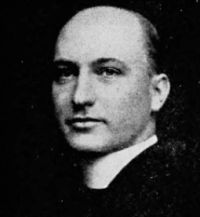
Edmund Venables and Walter Alison Phillips

Biographical details

Edmund Venables and Walter Alison Phillips 1911 Encyclopædia Britannica (1911)

In Egypt, the first home of monasticism, the jurisdiction of the abbot, or archimandrite, was but loosely defined. Sometimes he ruled over only one community, sometimes over several, each of which had its own abbot as well. Cassian speaks of an abbot of the Thebaid who had 500 monks under him, a number exceeded in other cases. By the rule of St Benedict, which, until the reform of Cluny, was the norm in the West, the abbot has jurisdiction over only one community.
Source: Wikisource

Edmund Venables and Walter Alison Phillips 1911 Encyclopædia Britannica (1911)

In England the abuse was rife in the 8th century, as may be gathered from the acts of the council of Cloveshoe. These lay abbacies were not merely a question of overlordship, but implied the concentration in lay hands of all the rights, immunities and jurisdiction of the foundations, i.e. the more or less complete secularization of spiritual institutions. The lay abbot took his recognized rank in the feudal hierarchy, and was free to dispose of his fief as in the case of any other. The enfeoffment of abbeys differed in form and degree. Sometimes the monks were directly subject to the lay abbot
Source: Wikisource

Edmund Venables and Walter Alison Phillips 1911 Encyclopædia Britannica (1911)

When the great reform of the 11th century had put an end to the direct jurisdiction of the lay abbots, the honorary title of abbot continued to be held by certain of the great feudal families, as late as the 13th century and later, the actual head of the community retaining that of dean. The connexion of the lesser lay abbots with the abbeys, especially in the south of France, lasted longer; and certain feudal families retained the title of abbés chevaliers (abbates milites) for centuries, together with certain rights over the abbey lands or revenues.
Source: Wikisource

Get perspective with Kwize: daily news enlightened by great literature