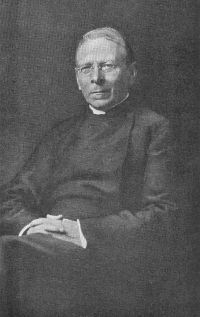
Henry Norbert Birt

Biographical details

Henry Norbert Birt,  Catholic Encyclopedia (1913)

“ Most monasteries had a mill for grinding their own corn. It will thus be seen that an Abbey, especially if it maintained a large community, was a little city, self-contained and self-sufficing, as St. Benedict wished it to be, to obviate as far as possible any necessity for the monks to leave the enclosure. The enormous development of the monastic life brought in its train a similar development in the accommodation suitable for it. The monastic buildings, at first so primitive, grew in time till they presented a very imposing appearance ”
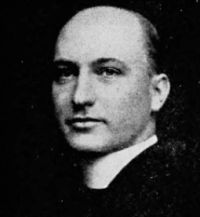
Source: Wikisource

Henry Norbert Birt,  Catholic Encyclopedia (1913)

“ Thus the guests received every attention due to them by the laws of charity and hospitality, and the community, while gaining the merit of dispensing them in a large-hearted way, through the appointed officials, suffered no disturbance of their own peace and quiet. It was usual for the buildings dedicated for hospitality to be divided into four: one for the reception of guests of distinction, another for poor travelers and pilgrims, a third for merchants arriving on business with the cellarer, and the last for monk-visitors. ”
Source: Wikisource

Henry Norbert Birt,  Catholic Encyclopedia (1913)

“ The novice-master was of course one of the most important officials in every monastery. In church, in the refectory, in the cloister, in the dormitory, he kept a watchful control over the novices, and spent the day teaching them and exercising them in the rules and traditional practices of the religious life, encouraging and helping those who showed real signs of a monastic vocation. The weekly officials included, besides the servers already referred to, the reader in the refectory, who was enjoined to make careful preparation so as to avoid mistakes. ”
Source: Wikisource

Get perspective with Kwize: daily news enlightened by great literature