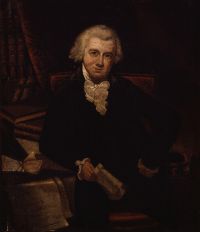
Francis Davy Longe (1831–1910) was a multifaceted English intellectual, renowned as a first-class cricketer, lawyer, anti-classical economist, and natural historian. His economic critiques, notably his 1866 refutation of the Ricardian Wages-Fund doctrine, positioned him as a pioneering voice in challenging classical economic theory.
Beyond economics, Longe’s passion for local history is vividly captured in Lowestoft in Olden Times (1899), where he meticulously chronicled the town’s maritime past and ecological transformations. His works blend empirical observation with a deep engagement with regional heritage, reflecting his dual roles as a civil servant and naturalist. Longe’s legacy lies in his interdisciplinary rigor, bridging economics, history, and environmental science through a lens of empirical inquiry and civic responsibility.