George Victor Du Noyer

Biographical details

George Victor Du Noyer,  Archaeological Journal (1846)

“ At Cashel, in the county Tipperary, there have been preserved four monumental effigies which have not hitherto, as it appears, been brought before the notice of antiquaries. They are, however, highly deserving of attention as authentic and interesting examples of costume, illustrative of a period of mediæval sculpture, of which scarcely any works of a similar kind exist in Ireland, and entitled, on account of the taste, vigour of design, and masterly execution which they display, to rank amongst the best remains of the same age and description which are to be found in England. ”
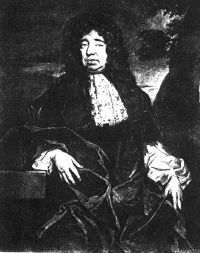
Source: Wikisource

George Victor Du Noyer,  Archaeological Journal (1846)

“ To persons who desire to study the mediæval remains which exist in Ireland, it will appear strange that, numerous as are the works which have been compiled on the subject of Irish antiquities, writers have confined themselves almost exclusively to those ecclesiastical remains which may claim a date more or less anterior to the coming of the English, or that they have theorised to an interminable extent upon the relics of pagan times which have been preserved in Ireland. ”
Source: Wikisource

George Victor Du Noyer,  Archaeological Journal (1846)

“ From the foregoing considerations, combined with the general character of their design, and the style of workmanship, I am inclined to conclude that these effigies are of the thirteenth century, that they were the work not of Irish, but of Anglo-Norman artists, and that they were not executed in Ireland, but sent from England as they were required, in order to ornament the tombs of the English nobility who died at Cashel or in its neighbourhood. ”
Source: Wikisource

Get perspective with Kwize: daily news enlightened by great literature