Peculiarity denotes the quality of being distinctive or unconventional, often highlighting traits that set individuals apart from societal norms. Authors such as George MacDonald emphasized its role in characterizing human essence, likening it to allegorical representations that strip away the mundane to reveal core identity. Algernon Blackwood explored its appeal, noting how peculiarity evokes both curiosity and envy, while David Masson framed it through philosophical language, linking it to enduring concepts like "mode of thinking.
" James Frederick Ferrier interrogated its limits in perception, distinguishing between primary and secondary qualities, and Josiah Royce examined its metaphysical implications, framing it as a universal yet evolving aspect of reality. These varied perspectives underscore peculiarity as both a marker of individuality and a lens through which human experience intersects with broader existential and social frameworks.
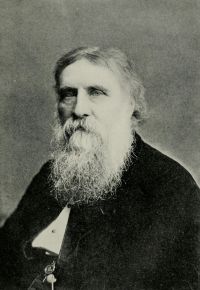 George MacDonald,
A Dish of Orts : Chiefly Papers on the Imagination…
(1893)
George MacDonald,
A Dish of Orts : Chiefly Papers on the Imagination…
(1893)