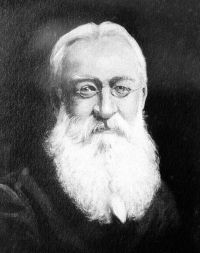
Ludwig Heinrich Jeitteles

Biographical details

Portrait of Ludwig Heinrich Jeitteles Ludwig Heinrich Jeitteles The Zoologist (1877)

To this unfavourable side of science Geology contributes the largest share, but Zoology is by no means exempt, especially as regards the habits, haunts and geographical distribution of animals.
According to most works on Zoology, "The Fallow Deer (Cervus dama) is a native of the countries washed by the Mediterranean, from whence it was introduced into Germany, Scandinavia, and England after the Crusades."
Source: Wikisource

Portrait of Ludwig Heinrich Jeitteles Ludwig Heinrich Jeitteles The Zoologist (1877)

In the island of Sardinia, in Cetti's time, there were large numbers of Fallow Deer on every part of the island, and especially on the plains of Sindia. [24] At that time no fewer than 3000 head were annually killed in Sardinia. It is remarkable that the inhabitants call it "Crabolu," a corruption of Capriolo (the Roebuck) , which does not exist on the island, while the Red Deer is occasionally met with, more particularly in the east, although it does not attain so large a size here as on the Continent.
Source: Wikisource

Portrait of Ludwig Heinrich Jeitteles Ludwig Heinrich Jeitteles The Zoologist (1877)

But in the diluvial period, and in later prehistoric times the Fallow Deer existed in more northern latitudes. In the year 1871, in the centre of the town of Hamburg, and subsequently in a tributary of the Elbe, numerous upper and lower jaws were discovered, larger than those of the existing Cervus dama, except as regards the teeth, which corresponded in size with those of the existing species. With these were found remains of the Aurochs, and other large oxen, and bones of the horse, pig, and other animals.
Source: Wikisource

Get perspective with Kwize: daily news enlightened by great literature