Summary

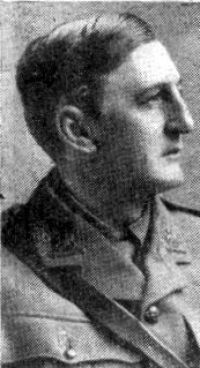
Portrait of A. E. W. Mason A. E. W. Mason Ensign Knightley and Other Stories… (1901)

Walker watched Hatteras. Hatteras watched the forest. A West African mangrove forest at night is full of the eeriest, queerest sounds that ever a man's ears harkened to. And the sounds come not so much from the birds, or the soughing of the branches; they seem to come from the swamp life underneath the branches, at the roots of trees. There's a ceaseless stir as of a myriad of reptiles creeping in the slime. Listen long enough and you will fancy that you hear the whirr and rush of innumerable crabs, the flapping of innumerable fish.
Source: Wikisource

Portrait of A. E. W. Mason A. E. W. Mason Ensign Knightley and Other Stories… (1901)

It is true that the blacks came in at intervals and chattered and gesticulated, but matters were not thereby appreciably improved. He did not like to go poking about the house, so he contemplated the mud-banks and the mud-river and the mangrove forest, and cursed the agent. The country was very quiet. There are few things in the world quieter than a West African forest in the daytime. It is obtrusively, emphatically quiet. It does not let you forget how singularly quiet it is. And towards sundown the quietude began to jar on Hatteras' nerves.
Source: Wikisource

Portrait of A. E. W. Mason A. E. W. Mason Ensign Knightley and Other Stories… (1901)

It seemed to Walker that the day would dawn before he reached the top. Once or twice Hatteras stirred in his arms, and he feared the man would die then and there. For all the time his blood dripped and pattered like heavy raindrops on the wooden steps.
Walker laid Hatteras on his bed and examined his wounds. One bullet had passed through the fleshy part of the forearm, the other through the fleshy part of his right thigh. But no bones were broken and no arteries cut. Walker lit a fire, baked some plaintain leaves, and applied them as a poultice.
Source: Wikisource

Get perspective with Kwize: daily news enlightened by great literature