Summary

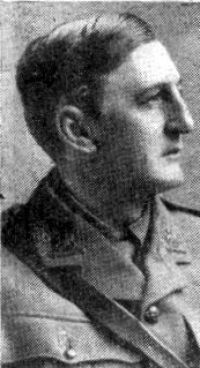
Portrait of A. E. W. Mason A. E. W. Mason The Broken Road — XVII: News from Mecca (1907)

Only a year after the marriage, however, Hatch's wife died, and he, disliking his home, had gone restlessly abroad. The restlessness had grown, a certain taste for Oriental literature and thought had been fostered by his travels. He had become a wanderer upon the face of the earth—a man of many clubs in different quarters of the world, and of many friends, who had come to look upon his unexpected appearance and no less sudden departure as part of the ordinary tenour of their lives. Thus it was not the appearance of Hatch which had startled Ralston, but rather the silence of it.
Source: Wikisource

Portrait of A. E. W. Mason A. E. W. Mason The Broken Road — XVII: News from Mecca (1907)

Shere Ali turned to Hatch again and said in a quiet voice which had some note of rather pathetic appeal: "Will you tell me what you thought of Mecca? I should like to know."
The vision of the three men descending the Lowari Pass was present to him as he listened. And he listened, wondering what strange, real power that sacred place possessed to draw men cheerfully on so long and hazardous a pilgrimage. But the secret was not yet to be revealed to him. Hatch talked well.
Source: Wikisource

Portrait of A. E. W. Mason A. E. W. Mason The Broken Road — XVII: News from Mecca (1907)

Make Mecca a symbol to him, make it live for him as a place of pilgrimage. You could, perhaps, because you have seen with your own eyes, and you know."
"I can try, of course," said Hatch with a shrug of his shoulders. "But isn't there a danger—if I succeed? I might try to kindle faith, I might only succeed in kindling fanaticism. Are the Mohammedans beyond the frontier such a very quiet people that you are anxious to add another to their number?"
Ralston was prepared for the objection. Already, indeed, Shere Ali might be seething with hatred against the English rule.
Source: Wikisource

Get perspective with Kwize: daily news enlightened by great literature